
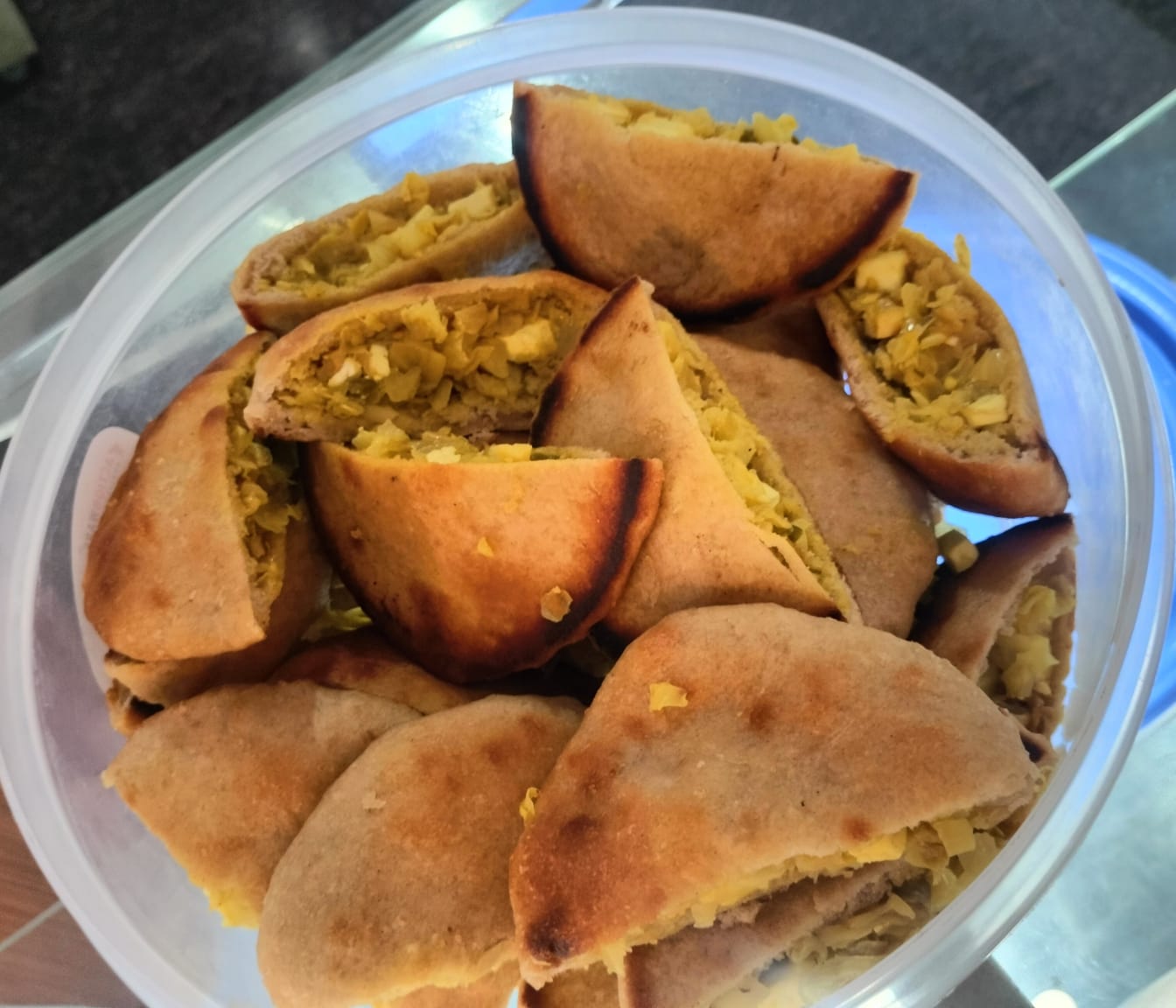
Paneer Pockets at Mitamins Health Club at Vanasthalipuram

Paneer pockets are a popular Indian snack or appetizer where a flavorful paneer (Indian cottage cheese) filling is stuffed inside a crispy outer layer. Common variations include:

  • Bread paneer pockets — Bread slices are filled with a spiced paneer mixture (often with onions, capsicum, peas, corn, herbs, or chutney), sealed into pockets, and shallow-fried, deep-fried, or air-fried until golden and crispy.
  • Pita paneer pockets — Soft pita bread stuffed with seasoned paneer (sometimes peri-peri or schezwan spiced).
  • Pastry or dough pockets — Made with all-purpose flour dough, puff pastry, or even crepes/tortillas, filled with paneer and veggies, then baked or fried.
  • Fusion versions like pizza pockets or cheesy variants with mozzarella.

The filling is typically mild or spicy, combining grated or crumbled paneer with chopped vegetables, spices (turmeric, chili, ginger-garlic, oregano, etc.), and sometimes cheese or sauces. They make great evening snacks, party appetizers, kids’ tiffin/lunchbox items, or quick bites.

Advantages of Paneer Pockets

  1. High in Protein and Nutritious Paneer is a complete protein source rich in essential amino acids (about 18–24g protein per 100g). It supports muscle building, repair, and satiety. Combined with veggies in the filling, these pockets deliver good nutrition in a fun, handheld format—ideal for vegetarians. The calcium and phosphorus in paneer also strengthen bones and teeth.
  2. Kid-Friendly and Appealing The crispy exterior with a soft, cheesy paneer filling makes them exciting for children (and adults). Many recipes are mildly spiced, and they work well in lunchboxes as they stay tasty even when cooled. Variations with corn, cheese, or mild chutney add fun without being boring.
  3. Versatile and Customizable You can adjust spices (mild for kids, spicy for adults), add veggies (capsicum, peas, onions, tomatoes), make them cheesy, schezwan-flavored, or even low-fat by air-frying or using whole-wheat options. They suit parties, tea-time, Ramadan iftar, or quick mid-week meals.
  4. Quick and Easy to Prepare Most versions come together in 15–30 minutes using pantry staples like bread, paneer, and basic spices. No complex dough rising needed in bread-based recipes. Air-fryer or shallow-fry options reduce effort.
  5. Better Protein Boost Compared to Some Snacks Unlike potato-heavy samosas or pakoras, paneer adds high-quality protein, making these pockets more filling and potentially more satisfying. They provide instant energy while keeping you fuller longer, which can aid weight management when eaten in moderation (thanks to low carbs in paneer and high satiety).
  6. Crowd-Pleaser Texture and Flavor Crispy outside + soft, aromatic, cheesy/herby inside creates a delightful contrast. They pair well with ketchup, green chutney, or mint yogurt dip.
  7. Health Perks from Paneer Paneer offers additional benefits like supporting immunity, digestion, and heart health (in moderation, due to omega-3/6 and low sodium potential). It’s also a good source of vitamins A and D. Pockets let you enjoy these in a tasty snack form rather than plain.

Note on balance: While nutritious due to paneer, fried versions can be calorie-dense from oil and bread/maida. opt for air-fried, baked, or low-fat pita versions for healthier eating. Use fresh homemade paneer for best taste and nutrition.

These pockets are a creative way to include more paneer in your diet—simple, delicious, and satisfying! If you want a specific recipe (e.g., bread version or air-fryer), let me know.
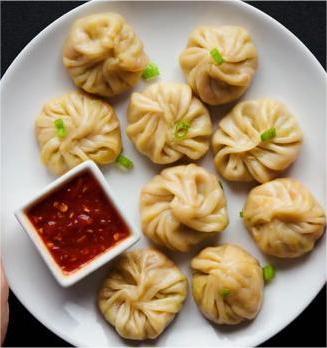
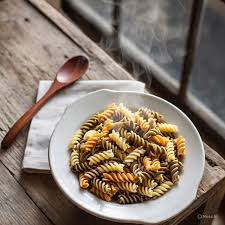
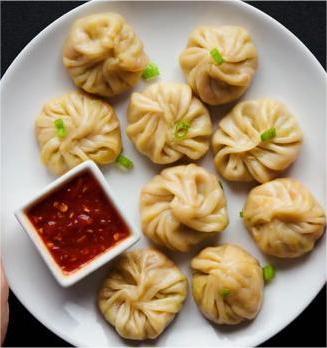
Ragi Momo’s at Mitamins Health Club at Vanasthalipuram

Ragi momos are a healthy, nutritious twist on the popular Tibetan/Indian street food momos (steamed dumplings). Traditional momos use refined white flour (maida) for the wrapper, but ragi momos incorporate ragi flour (finger millet or nachni flour), often mixed with some whole wheat flour for better texture and pliability. The filling is typically a mix of finely chopped vegetables (like cabbage, carrots, beans, onions, capsicum, mushrooms), paneer, or other proteins, seasoned with ginger, garlic, green chillies, and spices. They are usually steamed, making them low-oil or oil-free.

This version keeps the juicy, flavorful appeal of momos while upgrading the nutritional profile with the superfood qualities of ragi

Millet Pasta at Mitamins Health Club at Vanasthalipuram

Millet pasta is a nutritious alternative to traditional wheat-based pasta. It is made primarily from millet flours (such as foxtail, finger/ragi, barnyard, little, kodo, pearl, or jowar/bajra) or blends of multiple millets, sometimes mixed with a small amount of durum wheat semolina for better texture and binding.

Millets are ancient, drought-resistant grains often called “nutricereals” due to their dense nutrient profile. The pasta comes in familiar shapes like penne, macaroni, spaghetti, fusilli, or spirals, and it cooks similarly to regular pasta—boiled in salted water until al dente (typically 8–12 minutes, depending on the brand and blend).

Key Nutritional Profile (Approximate per 100g dry millet/multi-millet pasta)

Values can vary by brand and millet mix, but typical ranges include:

  • Calories: 300–370 kcal
  • Carbohydrates: 65–75g (mostly complex)
  • Protein: 9–13g (higher or comparable to wheat pasta, with better essential amino acid balance in some millets)
  • Dietary Fiber: 7–11g+ (significantly higher than refined wheat pasta)
  • Fat: 0.5–3g (low, mostly unsaturated)
  • Key micronutrients: Rich in iron (up to 5–17mg/100g in some millets), calcium (especially high in finger millet/ragi, ~300mg/100g), magnesium, zinc, phosphorus, B vitamins (thiamine, niacin, riboflavin), and antioxidants like phenolics and flavonoids.

It is naturally gluten-free when made from 100% millet flours, making it suitable for people with celiac disease or gluten sensitivity.

Advantages of Millet Pasta

Here are the main benefits compared to regular refined wheat (maida) pasta or even standard durum wheat pasta:

  1. Higher Fiber Content for Better Digestion The elevated dietary fiber promotes gut health, prevents constipation, and supports regular bowel movements. It also helps you feel fuller longer, aiding portion control.
  2. Low Glycemic Index (GI) for Steady Energy and Blood Sugar Control Millets release energy more slowly than refined grains, reducing blood sugar spikes. This makes millet pasta especially helpful for people managing diabetes, insulin resistance, or those seeking sustained energy (great for kids and active adults).
  3. Rich in Essential Minerals and Antioxidants It provides higher levels of iron (for combating anemia), calcium (for bone health), magnesium (for metabolism and muscle function), and zinc (for immunity). Antioxidants in millets help fight oxidative stress and may support overall immunity and reduce inflammation.
  4. Gluten-Free and Suitable for Special Diets Pure millet pasta is a safe, tasty option for gluten-intolerant individuals. It fits well into vegetarian, vegan, and clean-eating lifestyles.
  5. Weight Management Support Lower calorie density in some formulations, combined with high fiber and protein, promotes satiety without heavy processing. It digests more slowly, helping control hunger and cravings.
  6. Better Protein Quality and Overall Nutrient Density Millets often offer more essential amino acids and micronutrients than refined wheat. Some blends provide a good protein boost while remaining low in fat and sugar.
  7. Eco-Friendly and Sustainable Millets require less water and are resilient to climate challenges, making them a more environmentally friendly crop choice than wheat in many regions.

How It Compares to Regular Pasta

  • Refined wheat pasta (maida): Lower in fiber, minerals, and protein; higher GI; more processed.
  • Whole wheat or durum semolina pasta: Better than refined but still contains gluten and generally has less fiber/minerals than millet versions.
  • Millet pasta: Superior in fiber, certain minerals (iron, calcium), and GI profile; often more nutrient-dense overall. Texture can be slightly firmer or nuttier, and it pairs well with Indian or fusion sauces (tomato, pesto, creamy cashew, or veggie stir-fries).

Tips for Enjoying Millet Pasta

  • Start with multi-millet blends if you’re new to it—they often have a milder taste and better cooking performance.
  • It works great in classic Italian dishes or Indian-style preparations (with spices, vegetables, or lentils).
  • Brands in India and globally offer options like ragi, foxtail, or multi-millet penne/macaroni—many are available online or in health stores.
  • Cook it al dente and rinse briefly if needed to prevent sticking, as some pure millet versions can be more delicate.

Overall, millet pasta is an excellent way to add more whole-food nutrition to a comfort food favorite without sacrificing taste or convenience. It’s particularly popular in health-conscious households in India and among those looking for sustainable, gluten-free alternatives. If you have specific dietary needs (e.g., diabetes-friendly or high-protein), check labels for exact millet composition.

Millet Momo’s at Mitamins Health Cafe at Vanasthalipuram

Millet momos are a nutritious twist on the classic Himalayan steamed dumplings (momos), where the traditional refined wheat flour (maida) wrapper is replaced or blended with millet flour. Common millets used include ragi (finger millet), kodo, foxtail, or a mix of millets. The filling remains similar—typically a mix of finely chopped vegetables (cabbage, carrots, onions), herbs, spices, garlic, ginger, and sometimes paneer, tofu, or minced meat—then the momos are steamed.

This version originated as a healthier adaptation in regions like Arunachal Pradesh (among communities like the Monpa) and has gained popularity in India as part of the millet promotion movement. They taste slightly nuttier and earthier than regular momos but retain the soft, juicy texture when steamed well.

Key Advantages of Millet Momos

Millet momos offer several health upgrades over conventional maida-based momos while keeping the fun, street-food appeal intact:

  • Gluten-free option — Millets are naturally gluten-free, making these momos suitable for people with celiac disease or gluten sensitivity. You can make them 100% millet or mix with a little wheat if needed for pliability.
  • Higher fiber content — Millets are rich in dietary fiber (both soluble and insoluble). This supports better digestion, acts as a prebiotic for gut health, helps prevent constipation, and keeps you fuller for longer—great for weight management.
  • Better blood sugar control — Millets have a low glycemic index, so they cause a slower rise in blood sugar compared to refined flour. This makes millet momos a smarter choice for people managing diabetes or insulin resistance.
  • Improved heart health — The fiber and antioxidants in millets can help lower cholesterol levels by binding fats in the gut. They also provide minerals like magnesium and potassium that support cardiovascular function.
  • Rich in essential nutrients — Millets deliver more protein, B vitamins (including niacin and folate), iron, calcium (especially high in ragi), magnesium, phosphorus, and antioxidants than refined wheat. This boosts energy, immunity, bone health, and overall nutrition without empty calories.
  • Lower calorie density with higher satiety — While the calorie count per piece is similar or slightly lower, the extra fiber and protein mean you feel satisfied with fewer pieces, reducing overall intake. They’re a guilt-free way to enjoy a favorite snack.
  • Antioxidant and anti-inflammatory benefits — Polyphenols and other compounds in millets offer protective effects against oxidative stress and may support anti-diabetic and heart-protective properties.
  • Sustainable and versatile — Millets are drought-resistant crops, so choosing them supports eco-friendly farming. You can customize fillings to make them vegan, high-protein, or spiced to your taste.

In short, millet momos transform a popular indulgence into a nutrient-dense meal or snack that aligns with modern health goals like better digestion, stable energy, and reduced processed-food intake—without sacrificing flavor.

Simple Way to Make Millet Momos at Home

  1. Dough: Mix 1 cup millet flour (ragi or kodo works well; you can blend with ½ cup wheat flour for softer texture) with ½ tsp salt. Gradually add hot water and knead into a smooth, pliable dough. Rest for 15–20 minutes.
  2. Filling: Sauté grated garlic, ginger, chopped onions, cabbage, carrots, and any protein of choice. Season with salt, pepper, soy sauce, and herbs. Cool completely.
  3. Assemble: Roll dough into thin circles, add filling, pleat and seal into momos shapes.
  4. Steam: Place in a greased steamer and cook for 8–12 minutes until shiny and cooked through.

Serve hot with spicy tomato-chili chutney or garlic sauce. Many ready-to-eat or street versions are now available in places like Hyderabad and other Indian cities.

If you’re looking to try them, millet momos are an easy, delicious way to add more ancient grains to your plate while enjoying a beloved comfort food!

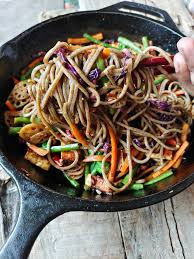
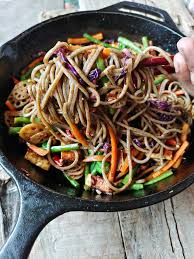
Millet Noodless at Mitamins Health Club at Vanasthalipuram

Millet noodles are a nutritious, modern twist on traditional instant or hakka-style noodles. They are made primarily from millet flours (such as foxtail millet/thinai, ragi/finger millet, jowar/sorghum, little millet, kodo millet, or barnyard millet), often blended with some whole wheat flour or natural binders like cluster bean gum for better texture. Unlike regular noodles made from refined wheat flour (maida), millet noodles are typically free from heavy processing, artificial preservatives, and maida, giving them a slightly nuttier flavor and firmer, chewier texture.

They cook quickly (similar to regular noodles) and work well in stir-fries, soups, salads, or as a base for Indo-Chinese dishes like hakka noodles or vegetable upma-style preparations. In India, they’ve gained huge popularity—especially after the 2023 International Year of Millets—with brands like Slurrp Farm, Naturally Yours, Millet Amma, and others offering ready-to-cook packs with spice mixes

Key Advantages of Millet Noodles

Here are the main benefits compared to conventional maida-based or refined wheat noodles:

  • High in Dietary Fiber: Millets are naturally rich in fiber, which promotes better digestion, prevents constipation, supports gut health, and helps you feel full longer. This reduces overeating and bloating.
  • Rich in Protein and Essential Nutrients: They provide more plant-based protein than regular noodles, along with vitamins (B vitamins like niacin and folate), minerals (iron, calcium, magnesium, phosphorus, zinc), and antioxidants. This supports muscle health, energy levels, bone strength, and overall nutrition—great for kids, active people, and weight management.
  • Low Glycemic Index (GI): Millets release energy slowly, helping stabilize blood sugar levels and avoiding the energy crashes or spikes common with refined carbs. This makes them a safer, more suitable option for people managing diabetes or insulin sensitivity.
  • Gluten-Free Options Available: Pure millet noodles (or those without wheat) are naturally gluten-free, making them ideal for people with celiac disease, gluten sensitivity, or those seeking wheat-free alternatives.
  • Supports Weight Loss and Heart Health: Higher fiber and protein content aids satiety and portion control. They’re generally low in fat, cholesterol-free, and may help lower bad cholesterol while providing sustained energy without guilt.
  • No Maida, Cleaner Eating: Free from refined flour means no empty calories or rapid blood sugar spikes. They’re a more wholesome, nutrient-dense swap that retains the bran and germ of the grains.
  • Family-Friendly and Versatile: Easy for busy meals, appealing to kids with familiar textures, and a good way to introduce “super grains” into diets. They also align with sustainable farming, as millets are climate-resilient crops.

Overall, millet noodles deliver similar convenience to regular ones but with far superior nutrition—more fiber, protein, and micronutrients, plus a lower glycemic load for steady energy. They’re especially popular in India for healthier snacking or meals.

If you’re trying them, start with foxtail or multi-millet varieties for a mild taste. Pair with plenty of veggies, lean protein, and spices for a balanced dish. Have you tried any specific brands or recipes yet?

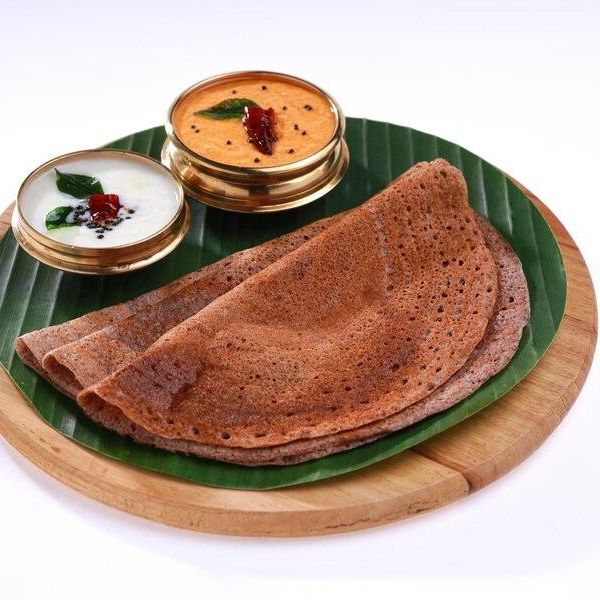
Ragi Dosa at Mitamins Health Cafe at Vanasthalipuram

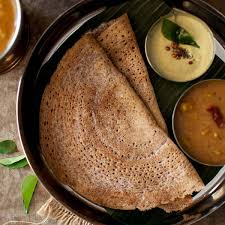
Ragi dosa (also known as finger millet dosa or nachni dosa) is a nutritious, South Indian-style crepe made primarily from ragi flour (finger millet flour). It’s a healthier twist on the traditional rice-based dosa, often prepared by mixing ragi flour with a bit of rice flour, urad dal, or semolina, and sometimes fermented for better texture and digestibility. The result is a slightly darker, earthy-flavored, crispy or soft pancake that’s commonly served with coconut chutney, sambar, or potato masala.

Here are some images of ragi dosa to give you a visual idea:

Key Advantages and Health Benefits of Ragi Dosa

Ragi (finger millet) is considered a superfood millet, especially in India, due to its impressive nutritional profile. When made into dosa, it offers these main advantages:

  1. Rich in Calcium — Ragi has one of the highest calcium contents among grains (often 5–30 times more than rice or other cereals). This makes ragi dosa excellent for bone health, strengthening teeth, and preventing osteoporosis, especially useful for growing kids, pregnant women, and older adults.
  2. High in Iron — It helps combat anemia and boosts hemoglobin levels, making it a great natural choice for those with iron deficiency (particularly vegetarians).
  3. Excellent Source of Dietary Fiber — The high fiber content promotes better digestion, prevents constipation, supports gut health, and helps you feel full longer.
  4. Supports Weight Loss — Thanks to the fiber and complex carbs, ragi dosa has a low glycemic index, which prevents sudden blood sugar spikes. It keeps you satiated, reduces cravings, and makes it a smart option for weight management.
  5. Diabetes-Friendly — The low GI and fiber help in better blood sugar control, making ragi dosa a popular breakfast choice for people with diabetes or those at risk.
  6. Gluten-Free — Naturally gluten-free, it’s a safe and tasty alternative for people with gluten intolerance or celiac disease.
  7. Good Protein and Minerals — Provides decent protein, along with magnesium, potassium, zinc, and B vitamins, supporting energy, muscle health, and overall immunity.
  8. Antioxidant & Anti-Aging Properties — Contains amino acids and polyphenols that help fight oxidative stress and support skin/hair health.

Compared to regular rice dosa, ragi dosa is more nutrient-dense, has better satiety, and a nuttier taste. It’s versatile too — you can make instant versions (no fermentation needed) or traditional fermented ones for a probiotic boost.

If you’re in Hyderabad, many local eateries and tiffin centers serve ragi dosa as a healthy breakfast option. Try making it at home for maximum benefits! It’s simple, affordable, and one of the best ways to include millets in your daily diet.

Millet Noodless at Mitamins Health Club at Vanasthalipuram

Millet noodles are a nutritious, modern twist on regular instant or pasta-style noodles. They are made primarily (or entirely) from millets — ancient, nutrient-dense grains like foxtail millet, little millet, finger millet (ragi), pearl millet (bajra), barnyard millet, kodo millet, or a blend of multiple millets — instead of refined wheat flour (maida) used in most conventional noodles.

These noodles are especially popular in India as a healthier alternative to maida-based instant noodles (like Maggi or Yippee). Many brands offer them as instant, hakka-style, or curry-flavored varieties, and they often come without maida, with no frying (or less processing), and sometimes enriched with veggies or spices.

Popular brands in India include Slurrp Farm, Millet Amma, Sabala Millets, True Elements, Tata Soulfull, Manna, and others — many of which emphasize “no maida, no preservatives” claims.

Key Advantages of Millet Noodles (Compared to Regular Maida-Based Noodles)

  1. Higher Fiber Content Millets are naturally very high in dietary fiber → this improves digestion, prevents constipation, promotes gut health, and keeps you full longer → great for weight management and reducing unnecessary snacking.
  2. Better Protein Quality & Quantity They often provide significantly more protein (sometimes 30–40% higher than regular noodles) → supports muscle repair, increases satiety, and makes them more balanced as a meal.
  3. Low Glycemic Index (GI) Unlike refined wheat noodles that cause quick blood sugar spikes and crashes, millet noodles release energy slowly → helps maintain stable blood sugar levels, making them a much safer and better choice for people with diabetes or insulin resistance.
  4. Gluten-Free Most millets are naturally gluten-free → ideal for people with celiac disease, gluten sensitivity, or anyone wanting to reduce gluten intake.
  5. Rich in Essential Nutrients Excellent natural source of:
    • Iron (good for anemia prevention)
    • Calcium (bone health)
    • Magnesium, potassium
    • Antioxidants
    • B vitamins → Overall more nutrient-dense than plain refined noodles.
  6. Heart-Healthy Naturally low in fat, cholesterol-free, and help reduce bad cholesterol (LDL) levels → supports better cardiovascular health.
  7. Sustained Energy Without Crash Complex carbs + fiber + protein combination gives steady, long-lasting energy → especially useful for kids, active people, or anyone avoiding the post-meal slump from regular instant noodles.
  8. Easier on Digestion & Weight-Friendly Less bloating, better gut health, lower calorie density in many cases, and higher satisfaction → supports healthy weight goals.

In short, millet noodles are one of the easiest ways to make a traditionally “junk” food like instant noodles into something genuinely nutritious while still being quick to prepare (usually cooks in 4–10 minutes) and tasty with familiar masala or other flavors.

If you’re in Hyderabad, look for local/organic brands or check big online platforms — they’re widely available now as millet products have become very mainstream in India. Have you tried any brand yet, or are you looking for recipe ideas with them.

Manchuria at Mitamins Health Club at Vanasthalipuram

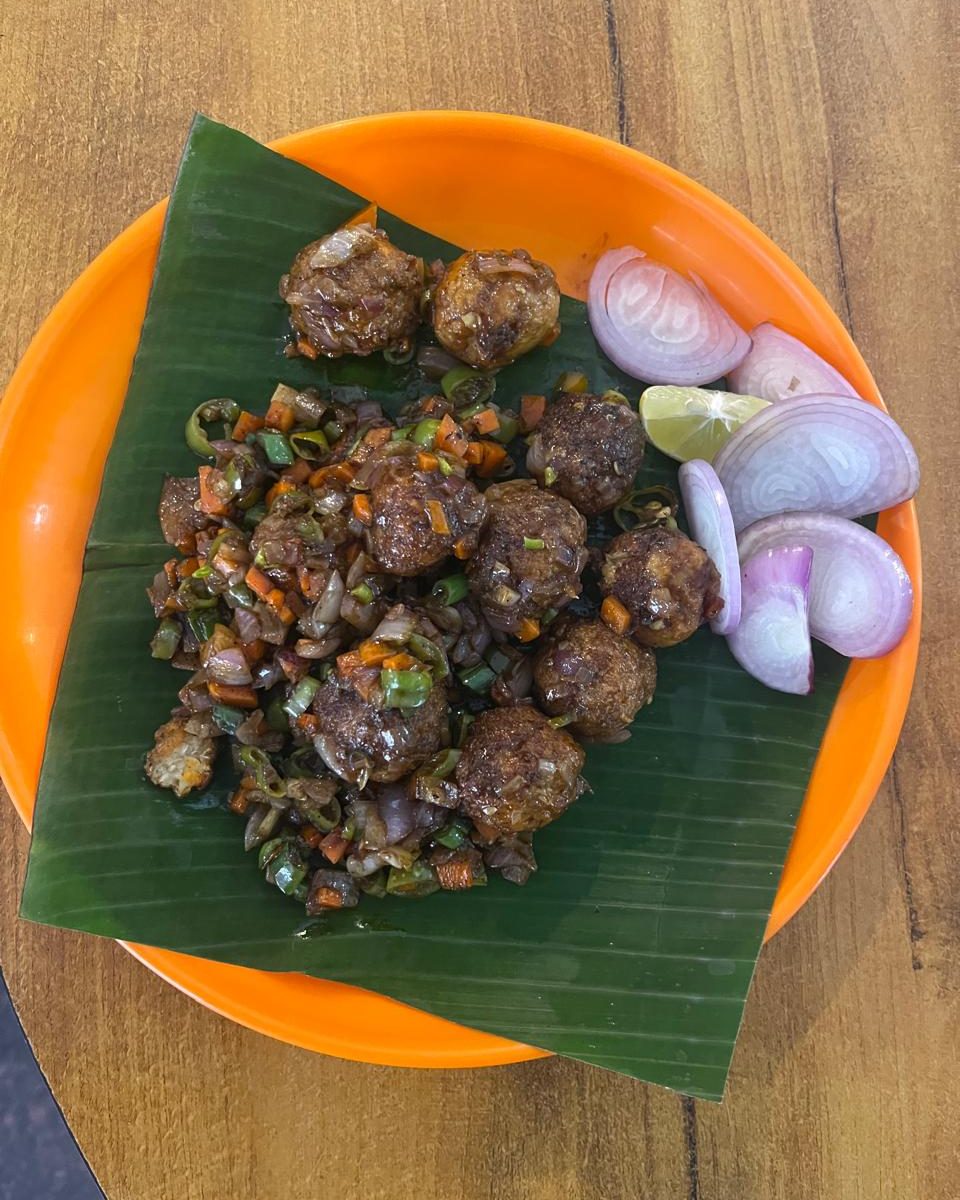
Millet Manchurian is a healthy, nutritious Indian-Chinese fusion dish that gives a wholesome twist to the classic Veg Manchurian. Instead of using refined flour (maida) and deep-frying heavy balls made from cabbage-carrot mix, it incorporates 5(such as ragi/finger millet, little millet, foxtail millet, or mixed millets) as the base for the “Manchurian balls.”

These balls are typically prepared by cooking millets to a mushy texture, mixing them with finely chopped vegetables, spices, and sometimes a little binding agent (like millet flour or minimal cornflour), then shaping and either shallow-frying, air-frying, or baking for a lighter version. The balls are then tossed in a tangy, spicy Indo-Chinese sauce with garlic, ginger, soy sauce, chili, and veggies.

This dish is popular as a starter, snack, or side with noodles/fried rice, and it’s especially loved for being more filling and guilt-free compared to regular Manchurian.

Key Advantages and Health Benefits of Millet Manchurian

Here are the main advantages over traditional veg Manchurian:

  • Nutrient-dense superfood base — Millets are packed with protein, fiber, iron, calcium (especially high in ragi/finger millet), magnesium, phosphorus, B vitamins, and antioxidants. This makes the dish far more nutritious than maida-based versions.
  • High in dietary fiber — Supports healthy digestion, prevents constipation, promotes gut health (prebiotic effect), and helps you feel full longer, aiding in weight management.
  • Low glycemic index (GI) — Millets release energy slowly, helping control blood sugar spikes — great for diabetes management or preventing it.
  • Gluten-free naturally — Perfect for people with gluten sensitivity or celiac disease, unlike regular manchurian that often uses maida (wheat flour).
  • Better for heart health — Rich in magnesium and antioxidants; helps lower cholesterol, reduce blood pressure, and decrease risk of heart disease.
  • Higher protein content — Supports muscle health, repair, and overall energy without relying on heavy processed ingredients.
  • Easier digestion and alkaline nature — Millets are easy to digest, less allergenic, and promote detoxification.
  • Healthier cooking options — Many recipes use less oil (shallow-fry, air-fry, or bake), skip MSG, and avoid excessive maida — resulting in lower calories, reduced bloating, and better overall nutrition.
  • Rich in minerals for bones and immunity — Especially calcium from ragi-based versions for stronger bones, plus iron and other minerals for better energy and immunity.

Overall, millet manchurian is a smart upgrade: it keeps the crispy, saucy, Indo-Chinese taste you love while turning it into a nutrient powerhouse that’s better for long-term health, weight control, and chronic disease prevention. It’s a great way to include millets in a fun, tasty form — especially popular in healthy Indian home cooking and millet-promoting initiatives!

Gunta Ponganalu at Mitamins Health Cafe at Vanasthalipuram

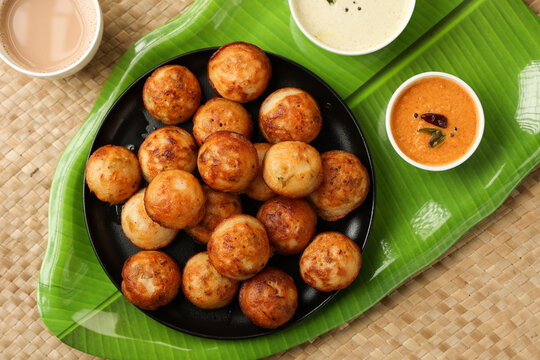
Gunta Ponganalu (also known as Gunta Ponganalu, Gunta Punugulu, Kuzhi Paniyaram, Paddu, or Appe in different South Indian regions) is a popular traditional savory snack and breakfast dish from Andhra Pradesh (especially Coastal Andhra) and other parts of South India.

It consists of small, round, crispy-on-the-outside and soft-on-the-inside dumplings made from fermented idli/dosa batter (prepared from rice and urad dal/black lentils). The batter is often seasoned with finely chopped onions, green chilies, ginger, curry leaves, coriander, and sometimes grated veggies or coconut. It’s cooked in a special gunta ponganalu pan (also called appe pan or paniyaram pan) with very little oil, giving it a golden, dome-shaped appearance.

This dish is a great way to use leftover idli or dosa batter, making it quick, economical, and versatile. It’s commonly served with coconut chutney, tomato chutney, peanut chutney, or sambar.

Advantages and Health Benefits of Gunta Ponganalu

Gunta Ponganalu stands out as a relatively healthier South Indian snack compared to deep-fried alternatives like vadas or bondas. Here are the key advantages:

  • Low in oil / Less greasy — Cooked with minimal oil (often just a few drops per batch), it avoids the high calories and fats from deep-frying, making it lighter and better for weight management.
  • Fermented batter benefits — The natural fermentation process (from idli/dosa batter) makes it gut-friendly. It improves digestion, enhances nutrient absorption, and supports better gut health due to probiotics.
  • Good source of protein — Urad dal in the batter provides decent plant-based protein, which helps with muscle repair, satiety, and overall nutrition.
  • Rich in complex carbohydrates and fiber — From rice (and optional additions like millets), it offers sustained energy without sharp blood sugar spikes. When made with millets (like ragi, little millet, jowar, etc.), the fiber content increases further, aiding digestion and preventing constipation.
  • Low glycemic index (GI) potential — Especially when millet variations are used, it becomes more diabetes-friendly and helps in better blood sugar control compared to refined flour snacks.
  • Nutrient-packed with additions — Onions, green chilies, ginger, curry leaves, and veggies add vitamins (like vitamin C, B vitamins), antioxidants, iron, magnesium, and anti-inflammatory properties.
  • Versatile and kid-friendly — Easy to customize (add veggies for extra nutrition), portable for lunchboxes or snacks, and appealing with its crispy-soft texture.
  • Gluten-free by nature — Made from rice and lentils (no wheat), it’s suitable for gluten-sensitive people.
  • Cultural and practical — Traditional, tasty comfort food that’s quick to prepare, reduces food waste (uses leftovers), and provides a balanced, wholesome option for breakfast, tiffin, or evening snack.

Overall, gunta ponganalu is a smart, tasty choice that combines South Indian tradition with solid nutritional perks—especially when you experiment with millet-based batters for even more health boosts! If you’re in Hyderabad, many local spots and health cafes serve millet versions as a wholesome option.

Ragi Dosa at Mitamins Health cafe at Vanasthalipuram

Ragi dosa (also known as finger millet dosa or nachni dosa) is a healthy, nutritious variation of the classic South Indian dosa. It’s made primarily from ragi flour (finger millet flour), often mixed with rice flour, semolina (rava), or other flours, and can be prepared as an instant version or fermented like traditional dosa.

Ragi gives the dosa a distinctive reddish-brown color, slightly earthy/nutty flavor, and a crisp texture when made right. It’s commonly served with coconut chutney, tomato chutney, sambar, or potato masala.

Here are some visual examples of how ragi dosa typically looks:

Key Advantages and Health Benefits of Ragi Dosa

Ragi (finger millet) is considered a superfood millet, especially in South India, and turning it into dosa makes it tasty and easy to include in daily meals. Here are the main advantages:

  1. Extremely High in Calcium — Ragi has one of the highest calcium contents among all cereals (often 5–30 times more than rice or wheat). This supports strong bones and teeth, helps prevent osteoporosis, and is especially good for growing children, women, and older adults.
  2. Rich Source of Iron — Helps combat anemia and fatigue, improves hemoglobin levels, and boosts energy — particularly beneficial for vegetarians/vegans who may lack iron from other sources.
  3. Good Amount of Protein — Provides plant-based protein comparable to (or higher than) rice in some varieties, supporting muscle health and overall growth.
  4. High Dietary Fiber — Aids digestion, prevents constipation, keeps you full longer, and supports healthy weight management by controlling hunger and cravings.
  5. Low Glycemic Index (GI) & Diabetes-Friendly — Ragi releases carbohydrates slowly, helping maintain stable blood sugar levels — a big advantage over regular rice-based dosa for people with diabetes or insulin resistance.
  6. Gluten-Free — Naturally gluten-free, making it safe and suitable for people with gluten intolerance or celiac disease.
  7. Rich in Antioxidants & Other Minerals — Contains polyphenols and other antioxidants that support immunity, reduce inflammation, and promote overall health. Also provides magnesium, phosphorus, and other micronutrients.
  8. Weight Loss Friendly — Low in calories, high in fiber and nutrients, and more satiating than regular dosa — many people use ragi dosa as part of weight-loss or healthy-eating plans.
  9. Versatile & Easy to Digest (Especially When Fermented) — Fermented versions add probiotic benefits for gut health, and the millet is generally easy on the stomach.

Compared to plain rice dosa, ragi dosa is nutritionally superior in minerals, fiber, and blood-sugar control while still being delicious and traditional.

If you’re in Hyderabad, ragi flour is easily available in local stores, supermarkets, or online — give instant ragi dosa a try for a quick, healthy breakfast! It’s a simple way to add more millets to your diet.